
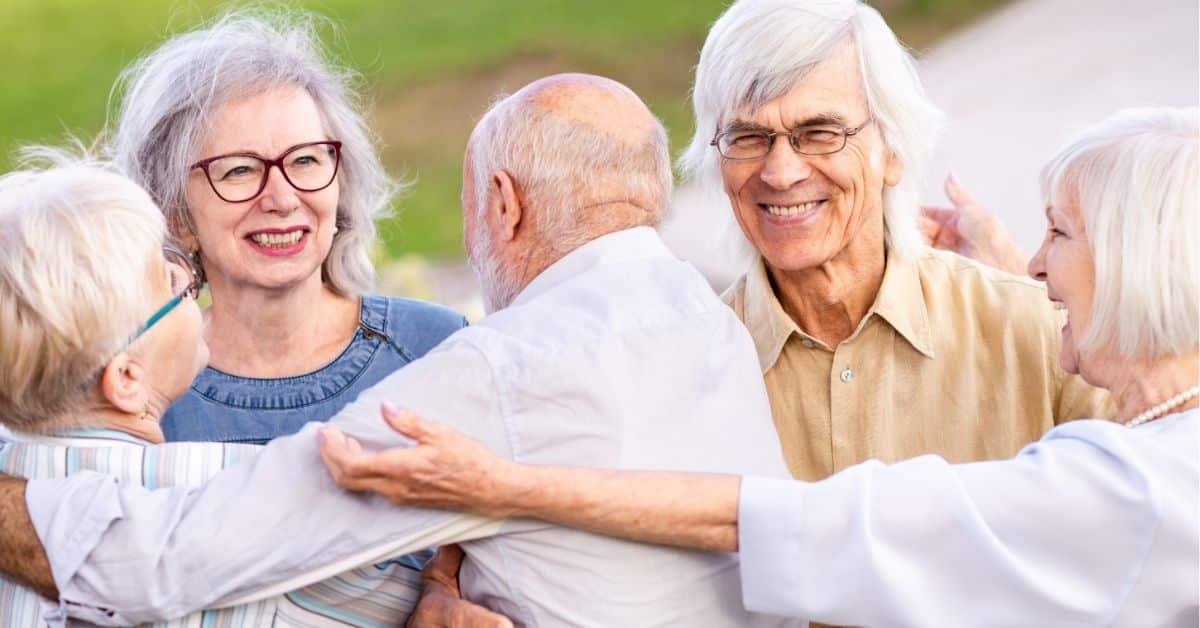
Saving Hearts: Senior Friendships at Assisted Living
Senior friendships in assisted living in Grand Junction, CO, aren’t just about companionship—they’re literally life-saving medicine for your heart. Friendship stands as a vital sign for seniors—every bit as critical as pulse, blood pressure or respiration.
The bottom line: Your heart needs both medical care and meaningful human connections to thrive. Choosing an environment that prioritizes social engagement may be the most important cardiovascular decision you make.
Prioritizing assisted living in Grand Junction, CO, like Grand Villa, is a vital cardiovascular intervention. By building “social wealth” through community connection, seniors combat the 32% increased stroke risk associated with isolation. Discover how professional senior living fosters life-saving friendships that support optimal heart health and longevity.
Why is Having a Close Friend in Assisted Living Considered as Important as Taking Heart Medication?
Your doctor prescribes medication to protect your heart—but did you know that having a close friend offers similar protection? This isn’t just feel-good advice; it’s backed by solid medical research. For seniors exploring assisted living in Grand Junction, CO, this connection between friendship and heart health could change everything about how you view your next chapter.

How does chronic loneliness physically damage the heart muscle?
Loneliness hurts more than your feelings—it attacks your heart directly. The numbers reveal a sobering truth: social isolation increases heart disease risk by 29% and stroke risk by 32% (Cené et al., 2022). To put this in perspective, that’s comparable to smoking 15 cigarettes every day.
Your body doesn’t distinguish between emotional pain and physical danger. When you feel isolated day after day, your system stays locked in emergency mode. This constant alert status floods your body with stress chemicals that eat away at heart tissue from the inside.
Why do social connections lower inflammation and cortisol levels?
Here’s where the story gets hopeful. Regular time with friends creates a healing environment inside your body. When you chat, laugh or simply sit together, your system produces lower levels of dangerous inflammatory markers like C-reactive protein and interleukin-6. These chemicals directly fuel heart disease, so reducing them offers genuine protection.
Friendship also tames cortisol, your primary stress hormone. Connected seniors exhibit healthier cortisol rhythms throughout the day. This improved hormone regulation translates into less inflammation and better heart function. Meanwhile, isolated individuals struggle with disrupted immune cell regulation compared to their socially engaged peers, creating a cycle of chronic inflammation.
What Makes Building ‘Social Wealth’ Different at Assisted Living vs. Living Alone?
Building meaningful connections changes everything when you move from isolation at home to a community setting. This network of relationships—what experts call “social wealth”—becomes the foundation of both emotional well-being and heart health. The difference isn’t just about having people around; it’s about creating an environment where friendships can actually flourish.
How do communities help introverted seniors connect without overwhelming them?
Communities recognize that quiet personalities need different approaches to socializing. They create structured activities that don’t demand constant conversation. Small groups and one-on-one settings feel far more manageable for introverted residents. The key is removing the performance aspect of socializing. When you can simply be present with others while doing something you enjoy, friendships often develop organically.
Which is better for a senior’s heart health: living with family or in assisted living?
Both arrangements have their place, but assisted living often provides more reliable social opportunities. Family members love you deeply, yet their busy schedules with work and responsibilities can leave gaps in daily interaction. Assisted living communities build social connections into the very structure of daily life. What matters most isn’t who you live near, but how often you have meaningful exchanges with people who understand your world.
The consistency factor makes a real difference. When social interaction happens naturally throughout your day, your heart benefits from that steady rhythm of human connection.
What types of friendships form most naturally in assisted living settings?
Two beautiful types of relationships emerge in these communities. First, you’ll find acquaintances—those pleasant daily interactions over coffee or during activities that brighten your routine. Most residents develop around 10 of these comfortable connections. Then there are the deeper companionships—people who become your chosen family, sharing both struggles and celebrations. These closer relationships, typically 3-4 per person, become your emotional anchors.
Both relationship types matter for your heart. Acquaintances provide daily doses of social connection, while companions offer the deeper emotional support that truly protects cardiovascular health.
A Stronger Heart
Heart health depends on more than medication—your social connections matter just as much. Your heart needs both medical care and meaningful human relationships to flourish. These friendships evolve beyond pleasant company into genuine cardiovascular protection that safeguards your health for years ahead. Choosing to build your social wealth may well be the most important health decision you’ll ever make. Contact us at 970-241-9706 to schedule a tour of Grand Villa and learn how our community can help you protect your heart’s health.
FAQs
Q1. How does being social actually help heart health in older adults?
Staying socially connected is surprisingly good for the heart. Regular interaction with others can lower stress, help keep blood pressure in check and reduce the risk of heart disease and stroke. In fact, strong social connections have been linked to a lower risk of heart attacks, making social time an important part of overall heart health.
Q2. Is it really possible to make new friends later in life?
Yes—absolutely. Seniors can and do form meaningful friendships at any age. Many people are pleasantly surprised to find that once they’re in a community setting, friendships come naturally. On average, residents in assisted living build several friendly connections and a few close relationships that they truly rely on.
Q3. What kinds of relationships usually develop in assisted living communities?
You’ll typically see two types of relationships form. Some are light, friendly connections—people you chat with at meals or activities. Others turn into deeper companionships built around shared interests, routines and emotional support. Most residents enjoy a mix of both, which helps create a strong sense of community.
