
Assisted Living: Why Seniors Need Peer Support Over Family
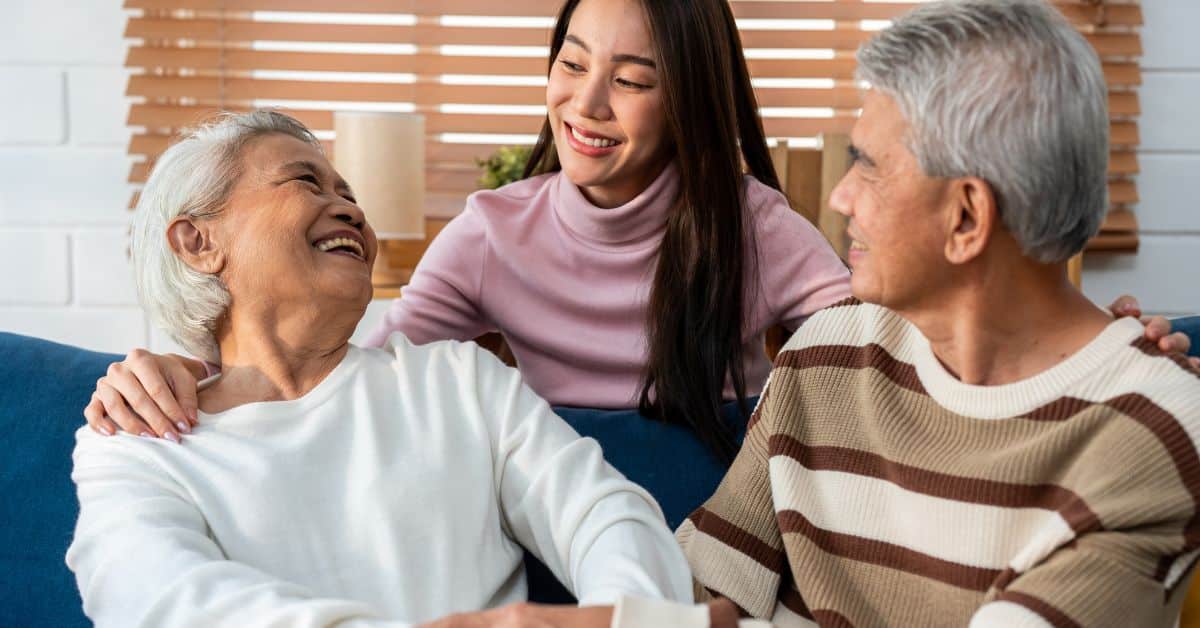
Senior years bring unique challenges that stretch devoted families beyond their limits. While family love remains irreplaceable, peer relationships in senior assisted living in Grand Junction, CO, offer something equally valuable—daily understanding from those walking the same path. These communities provide both professional care and meaningful connections that complement family support.
While family support remains important, peer relationships in assisted living communities provide unique daily companionship and emotional benefits that complement family involvement for optimal senior well-being.
Peer support in assisted living offers seniors daily companionship and emotional support that family visits can’t always provide. Sharing similar life experiences, peers create genuine connections that boost mental well-being, keep minds engaged and restore purpose.
How Do Peer Interactions Differ From Family Involvement in Assisted Living?
Research highlights how peer support interventions can significantly improve the quality of life for older adults by reducing loneliness and enhancing social integration (National Library of Medicine, 2021). This aligns with what we observe in senior communities, where peer relationships offer unique benefits that complement family connections in essential ways.
The social dynamics between peers and family members create fundamentally different experiences for seniors:
- Daily presence creates opportunities for spontaneous interactions that naturally fill gaps between family visits
- Conversations flow more freely with peers, without the protective filters seniors often use with family to avoid causing worry
- Shared life stage understanding fosters connections based on mutual experiences of aging
Peers share the same daily rhythm, creating a companionship that differs from family relationships. This presence complements the love of family members, who naturally have their own life demands and responsibilities.
With peers, seniors can engage in authentic exchanges about aging realities because both understand similar challenges without the complicated dynamics of family history. This shared context creates an unspoken understanding that prioritizes dignity and connection alongside care needs.
Why Do Seniors Need Peer Relationships in Assisted Living?
Your search for assisted living in Grand Junction reveals an important truth: social environment matters as much as medical care. While family relationships are precious, peer connections offer something uniquely valuable that grows more essential as seniors age.
The reality of family support limitations
Family caregivers provide incredible support but face natural constraints. Despite deep love and commitment, they visit occasionally rather than daily. Modern life challenges—smaller families, longer lifespans and career demands—mean fewer family members can provide consistent care. This creates unavoidable gaps that even the most devoted families cannot fill.
How peer relationships deepen over time
Beautiful connections form when seniors spend time with peers their age. Daily interactions through meals, activities and quiet moments create meaningful bonds. These friendships build on a genuine understanding of shared life experiences, providing mental stimulation and emotional support that enriches daily life.
Why shared experiences create deeper bonds
Peers understand each other in ways that family members, despite their best intentions, simply cannot. This creates special connections based on:
- Mutual understanding of age-related challenges
- Shared memories of historical events and cultural experiences
- Similar adjustments to retirement and changing routines
- Common experiences with health concerns and physical changes
- Collective wisdom about navigating life transitions
This shared understanding creates a unique emotion that complements family relationships. Quality communities recognize this need and create environments where these natural connections flourish, helping seniors thrive through daily peer support.
The Heart of What Peer Groups Accomplish
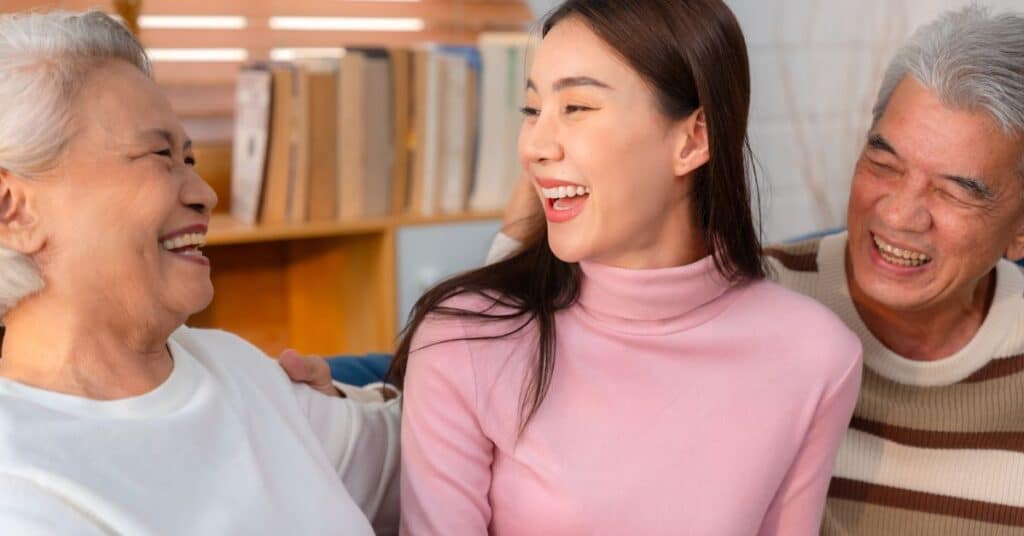
Peer support groups offer substantial mental health benefits for seniors in assisted living communities. At places like Grand Villa Senior Living, these emotional advantages often complement what dedicated family support provides.
When loneliness finally lifts
Peer companionship creates something beautiful—it dissolves the isolation that quietly weighs on many older adults. These connections help seniors feel understood and valued in ways that differ from family relationships.
- Creates daily opportunities for meaningful interaction
- Builds connections based on shared experiences
- Offers companionship that feels natural, not obligatory
Depression doesn’t have to define these years
The mental health improvements from peer support deserve your attention. When seniors connect with others facing similar life stages, they often experience notable improvements in mood and outlook.
- Provides emotional support through shared understanding
- Creates a space for authentic expression
- Offers regular social engagement that lifts spirits
Rediscovering worth and purpose
Seniors involved in peer support networks rediscover something precious—their sense of value. Fosters reciprocal relationships where everyone contributes
- Creates opportunities to share wisdom and experience
- Builds a community based on mutual respect
Sharp minds through social connections
The cognitive benefits surprise many families. Peer interactions provide natural mental stimulation through conversations and shared activities that feel enjoyable rather than like medical interventions.
- Stimulates brain function through engaging conversations
- Encourages learning new things from peers
- Maintains cognitive skills through regular social interaction
These benefits explain why peer support deserves serious consideration when choosing an assisted living community for someone you love.
Making the Right Choice for Your Loved One
Peer relationships offer seniors something uniquely valuable – connections built on shared experiences that family bonds beautifully complement. In quality senior communities, these daily interactions create a special kind of emotional environment where residents can express themselves authentically without fear of causing worry.
The benefits extend beyond emotional well-being. Daily interactions with peers keep minds engaged through regular conversation and shared activities, while restoring purpose through mutual support. These relationships transform a care community into a genuine community where belonging flourishes. Want to see these connections in action? Call Grand Villa Senior Living at 970-241-9706 and schedule a tour.
While building connections with peers provides the emotional foundation for senior well-being, the right physical environment is equally critical for sparking those interactions—especially for those with memory challenges. Discover how specialized settings can use a resident’s professional past to reduce anxiety and create natural opportunities for engagement in our article: Assisted Living: How Career-Based Memory Stations Calm Seniors.
FAQs
Q1. How does peer support in assisted living differ from family support? Peer support provides daily companionship and shared experiences that family visits can’t match. Seniors feel more comfortable discussing aging challenges with peers, creating deeper connections based on mutual understanding.
Q2. What are the mental health benefits of peer relationships for seniors? Peer relationships in assisted living communities can significantly reduce loneliness and depression. Seniors who develop strong connections with their peers experience notably lower rates of both loneliness and depression compared to those without such social bonds.
Q3. How do assisted living communities foster peer relationships? Quality assisted living communities design spaces that encourage natural interactions and offer structured activities that build lasting friendships. This creates a sense of belonging and transforms the community into a true community.
